

Table of Contents
- What Separates Long Lasting Hiking Boots From the Rest
- Most Durable Hiking Boots: Materials, Construction, and What to Look For
- Leather vs Synthetic Hiking Boots: Which Lasts Longer?
- How Long Do Hiking Boots Last? Miles, Years, and Failure Points
- How to Care for Hiking Boots to Extend Their Life
- Repairability, Resoling, and Cost Per Mile
- Conclusion: Choosing Boots That Go the Distance
- Frequently Asked Questions
Last Updated: October 4, 2026
What Separates Long Lasting Hiking Boots From the Rest
The best long lasting hiking boots share three traits: a full-grain leather or reinforced synthetic upper, a resolable construction, and a midsole that resists compression. Everything else is marketing.
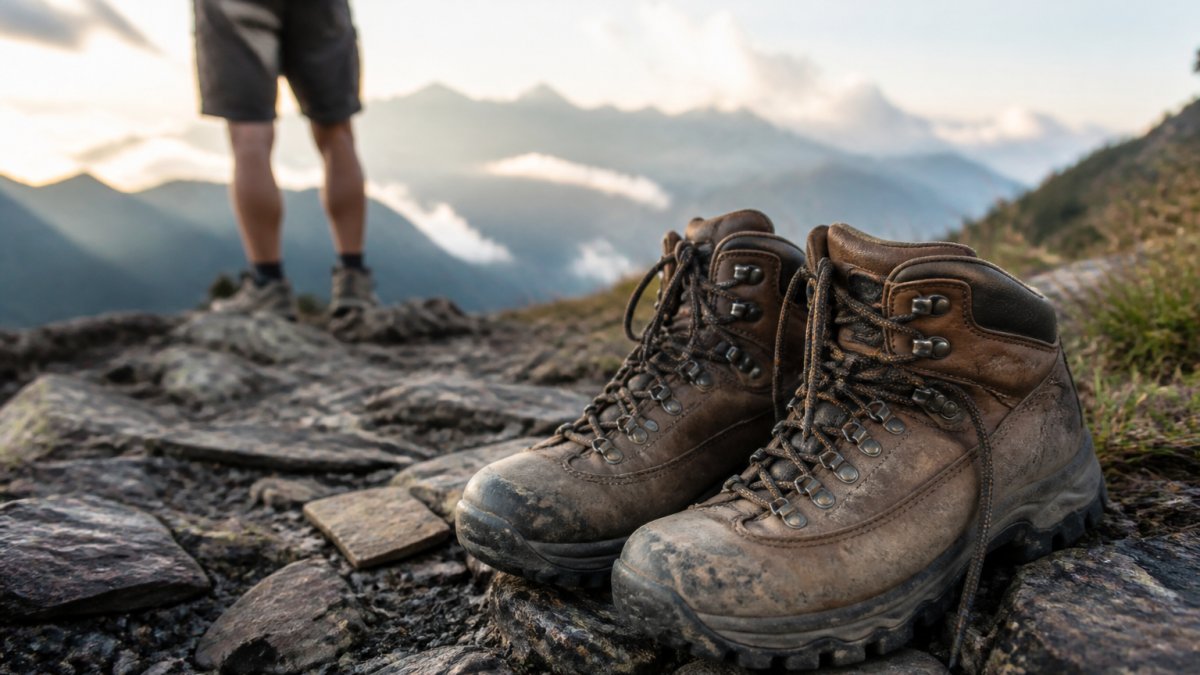
Most buying guides rank boots by comfort out of the box, not by how they hold up after 500 miles, backwards for regular hikers.
Durability is a system, not a single feature: the upper resists abrasion, the midsole absorbs shock, the outsole grips, and the construction holds it together.
The U.S. Forest Service guide to hiking safety and gear makes a simple point worth repeating: footwear is the one piece of gear you never want to compromise on, because it carries everything else.
Most Durable Hiking Boots: Materials, Construction, and What to Look For
Durability starts with materials you can name, but a boot lasts based on how those materials fail. A full-grain leather upper, polyurethane midsole, and thick rubber outsole will outlast a lightweight trail shoe, but only if the construction matches. The trade-off is weight.
Upper Materials: Abrasion Resistance by the Numbers
Full-grain leather is the benchmark because the outer layer of the hide is intact, so fibers resist abrasion as a single sheet.
A practical test: run a fingernail across the upper. Leather that resists and recovers is dense; leather that marks easily will mark against rock the same way. On synthetic uppers, look for a rubber rand wrapping the toe and heel, it takes the abuse on scree and talus.
Midsole Chemistry: Why EVA Dies and Polyurethane Endures
Midsole breakdown is the hidden killer. EVA foam loses resilience through repeated compression, cells fatigue and don't spring back, which is why a two-year-old EVA midsole feels flat even when the upper looks new.
For backpacking with a heavy load, PU is the durability choice. For fast day hikes where weight matters more, EVA is a reasonable compromise, just expect to replace the boot, not the midsole.
Construction Types: Cemented, Stitched, and Resolable
Construction determines whether a boot can be repaired at all. The three types:
- Cemented (glued): The upper is bonded to the midsole/outsole with adhesive. Light, cheap, and dominant in trail shoes. When the bond fails, often after heat exposure or years of flexing, the boot is usually done.
- Stitched (Blake, Goodyear welt, or Norwegian welt): Thread physically connects the upper to the sole unit. Heavier and stiffer, but a cobbler can cut the stitches, replace the sole, and re-stitch, this makes resoling practical.
- Injected/molded: PU is injected directly onto the upper. Very durable bond, common on mountaineering and heavy backpacking boots, but not easily resoled by a standard cobbler.
Outsole Compounds and Lug Depth
Outsole rubber comes in two broad types: softer compounds that grip well but wear fast, and harder compounds that last longer but feel less sticky on wet rock. Deep lugs (around 4-5mm) shed mud and grip loose ground; shallow lugs suit groomed trails. For rocky terrain and long-distance treks, a harder compound with 4mm+ lugs gives the best wear resistance.
| Feature | Lasts Longer | Wears Faster | Failure Mechanism |
|---|---|---|---|
| Upper | Full-grain leather | Light mesh synthetic | Abrasion, UV degradation, delamination |
| Midsole | Polyurethane | EVA foam | Compression set (EVA), hydrolysis (PU) |
| Outsole | Hard compound, deep lugs | Soft compound, shallow lugs | Tread flattening at heel and forefoot |
| Construction | Stitched, resolable | Cemented, molded | Adhesive bond failure |
Leather vs Synthetic Hiking Boots: Which Lasts Longer?
Leather hiking boots generally last longer than synthetic ones, often by a wide margin, because leather resists abrasion and can be repaired and reconditioned.
That doesn't make synthetic a bad choice.
Leather upper: heavier, more breathable when treated well, repairable, ages into a custom fit. Synthetic upper: lighter, faster-drying, less maintenance, shorter lifespan.
The real difference comes down to how often you hike. Weekend warriors on maintained trails get years out of either.
How Long Do Hiking Boots Last? Miles, Years, and Failure Points
Most hiking boots last between 500 and 1,000 miles of trail use, or roughly two to five years for an average weekend hiker. Heavy use on rocky terrain shortens that window; light use on soft trails extends it. Miles matter more than years, because a boot stored in a closet doesn't wear out, it ages, and aging has its own failure modes.
What the Mileage Range Actually Means
The 500-1,000 mile figure is a range, not a promise, and where a boot lands depends on four variables:
- Terrain abrasiveness: Granite, scree, and talus grind outsoles and uppers far faster than loam or duff. A boot that lasts 1,000 miles on soft forest trail may show cord at 500 miles on alpine rock.
- Load: A 40-pound pack compresses the midsole harder with every step, accelerating compression set in EVA and stressing the bond in cemented construction.
- Hiker weight and gait: A heavier hiker or one who scuffs the heel loads the same areas repeatedly, wearing a groove into the outsole before the rest of the tread shows wear.
- Care and storage: Boots dried slowly and stored cool and dry outlast identical boots left wet in a hot car, because heat and moisture drive adhesive failure and PU hydrolysis.
A useful rule of thumb: budget a new pair every 700-900 miles of mixed-terrain hiking, and inspect the midsole and outsole, not the upper, at the halfway mark.
Common Failure Modes: Sole Wear, Delamination, and Midsole Collapse
Three failures end most boots early, and they don't happen at the same time:
- Outsole wear. Tread flattens first at the heel and forefoot. Once lugs are worn to the base, traction on wet rock and mud drops sharply even though the boot still looks intact, the most visible and predictable failure.
- Delamination. The sole separates from the upper because the adhesive bond fails, often after heat exposure or long storage. A glued sole that's already separating rarely holds a repair, which is why cemented boots are effectively done.
- Midsole collapse. EVA compresses permanently; PU can crumble through hydrolysis. A collapsed midsole changes the boot's geometry, reduces shock absorption, and can't be fixed without a full resole, and on many boots, a full resole isn't possible.
A common pattern is for the outsole to wear out first on a resolable boot (good news, it can be replaced) and for the midsole or bond to fail first on a cemented boot (bad news, it usually can't).
Repairability and Cost Per Mile
A boot's cost per mile is purchase price divided by usable miles, and repairability changes the denominator dramatically.
- A cemented boot at $180 that lasts 600 miles costs about $0.30 per mile and ends at the landfill.
- A resolable stitched boot at $320 that lasts 1,200 miles across two soles (one resole at roughly half the original price) costs about $0.27 per mile, and the upper is still going.
The math isn't always in favor of the expensive boot, but it usually is for hikers who log serious mileage. The catch: resolable boots are increasingly rare, and not every cobbler works on every construction. Check before you buy whether the manufacturer or a local cobbler offers resoling for that model.
Warranty Coverage and What It Actually Covers
Most manufacturers cover defects, delamination, stitching failure, premature outsole separation, for a set period, but wear and tear is almost always excluded. The practical distinction: a boot that delaminates at 200 miles is a warranty claim; a boot whose tread is flat at 800 miles is normal wear. Read the warranty before you buy, keep your receipt, and photograph any failure before sending the boot in.
REI's guide to footwear repair and resoling notes that resolable boots are increasingly rare, which makes checking for it before purchase worth the extra minute.
How to Care for Hiking Boots to Extend Their Life
Here's a general care checklist:
- Brush off mud and grit while it's still damp, before it grinds into the upper
- Rinse with cool water, never soak the boot through
- Air-dry at room temperature, away from radiators and direct sun
- Stuff with newspaper to hold shape and pull moisture out
- Apply leather conditioner every 4-6 wears for leather uppers
- Reapply waterproofing treatment when water stops beading on the surface
- Check the sole edges for early delamination after every few trips
- Store in a cool, dry place, never sealed in a plastic bag
The American Hiking Society's trail and gear guidance stresses leaving no trace and keeping gear in working order, two habits that overlap more than people realize. A well-maintained boot is a safer boot.
Ventilation matters as much as waterproofing. A waterproof membrane traps sweat, so if you hike hard in warm weather, give boots time to dry fully between trips.
Repairability, Resoling, and Cost Per Mile
Resolable boots cost more upfront but often cost less per mile, because a new sole restores most of the boot's life for a fraction of the purchase price. A stitched or resolable construction lets a cobbler replace the outsole and sometimes the midsole, which is why serious hikers seek it out.
REI's guide to footwear repair and resoling notes that resolable boots are increasingly rare, which makes checking for it before purchase worth the extra minute.
Conclusion: Choosing Boots That Go the Distance
Most boots are sold on comfort, not longevity, so the ones that last are easy to overlook. Look for a full-grain leather or reinforced upper, a polyurethane midsole, a resolable construction, and deep lugs, then care for them like the investment they are.
At Fitness Pro Living, we provide reliable, high-quality camping and hiking gear designed to withstand the rigors of the great outdoors. Our products are crafted to last longer and perform better on every adventure. Shop now and gear up for the miles ahead.
Frequently Asked Questions
What hiking boots last the longest?
Full-grain leather boots with a resolable construction typically last the longest, often 1,000 to 1,500 miles or more. The leather upper resists abrasion and can be conditioned to stay supple, while a stitched midsole allows resoling. Synthetic boots are lighter but break down faster, usually around 500 to 800 miles. Look for a thick rubber outsole, a protective toe rand, and a brand that offers resoling.
How many miles should a good pair of hiking boots last?
Most quality hiking boots last between 500 and 1,000 miles before the midsole compresses or the outsole wears through. Leather boots that can be resoled may reach 1,500 miles or more. Terrain matters: rocky ground and frequent wet conditions accelerate sole wear. Track your mileage and inspect the tread depth and midsole cushioning every few months to know when replacement is due.
Are leather hiking boots more durable than synthetic boots?
Leather boots generally outlast synthetic ones because the upper resists scuffs and tears, and many leather models can be resoled. Synthetic uppers dry faster and need less break-in but degrade from UV exposure and repeated flexing. For long-distance trekking and rocky terrain, leather offers better abrasion resistance. For wet, humid climates where boots stay soaked, synthetic may hold up better against rot and mildew.
Can hiking boots be resoled?
Yes, many hiking boots can be resoled if the upper is still in good condition and the midsole is stitched rather than glued. Resoling costs less than a new pair and extends the boot's life by hundreds of miles. Not all boots qualify: cemented (glued) soles are harder to replace, and damage to the midsole foam often makes resoling impractical. Check with the manufacturer or a local cobbler before assuming your boots are done.